Table of contents
For twenty years, cybersecurity has organized itself around a single idea:
Privilege must be controlled.
Vault the credentials > Broker the session > Record the activity > Rotate the secret
This model made sense when infrastructure was static and humans were the primary actors, but that world is gone.
AI agents now provision infrastructure, workloads call APIs continuously. Software makes decisions without waiting for approval.
We’re entering a new era of access control, but most organizations are still implementing agentic and autonomous security controls with tools that were designed to protect against human actors.
The Analysts Are Signaling the Shift
Both Gartner and Forrester are describing a market under transformation, even if they haven’t fully named the destination yet.
Gartner defines PAM as tools that manage and protect privileged accounts, credentials, and commands for both people and machines.
But look deeper and the strain becomes obvious:
- Vendors must now secure workloads, applications, containers, and services.
- The market is evolving to handle machines, cloud environments, and traditional risks simultaneously.
- And critically, vaulting is not optimized for machine-to-machine use cases.
Forrester echoes the same pressure: PIM platforms are moving beyond compliance toward identity security spanning human, machine, and AI agent identities, with innovation focused on context-aware access and dynamic privilege.
Privilege Was Never the Destination. It Was a Constraint.
PAM assumes:
- Access is rare
- Elevation is exceptional
- Credentials are the control surface
- Sessions define trust
But AI doesn’t elevate privileges.
It operates continuously.
Secrets don’t get checked out, they propagate across systems.Sessions don’t just start and end, requests from agents are continuous and never stop.
The control point cannot be the credential anymore. It must be the authorization decision.
The Security Boundary Has Moved
The defining question of modern security is no longer:
“Who has privileged access?”
It is now:
“Should this identity be allowed to perform this action right now?”
That is not privilege management. That is authorization.
And authorization is becoming the primary security control plane.
The Vault Is Not a Control Plane
Gartner outlines mandatory PAM features such as credential vaulting, approval workflows, session brokering, and just-in-time privilege.
These are excellent controls for human administrators.
But they introduce friction in environments running at the speed of agentic AI.
You cannot:
- Approve millions of API calls
- Broker sessions for autonomous agents
- Rotate secrets fast enough for ephemeral workloads
The model collapses under velocity.
Which is why Gartner now emphasizes PAM for machines as a major research focus.
The category is adapting. But adaptation is not the same as reinvention.
The Next Security Category Is Emerging
Security markets don’t disappear. They split.
Just as EDR didn’t replace firewalls, a new layer is now forming above PIM and PAM.
From managing privilege: to deciding access.
In this model:
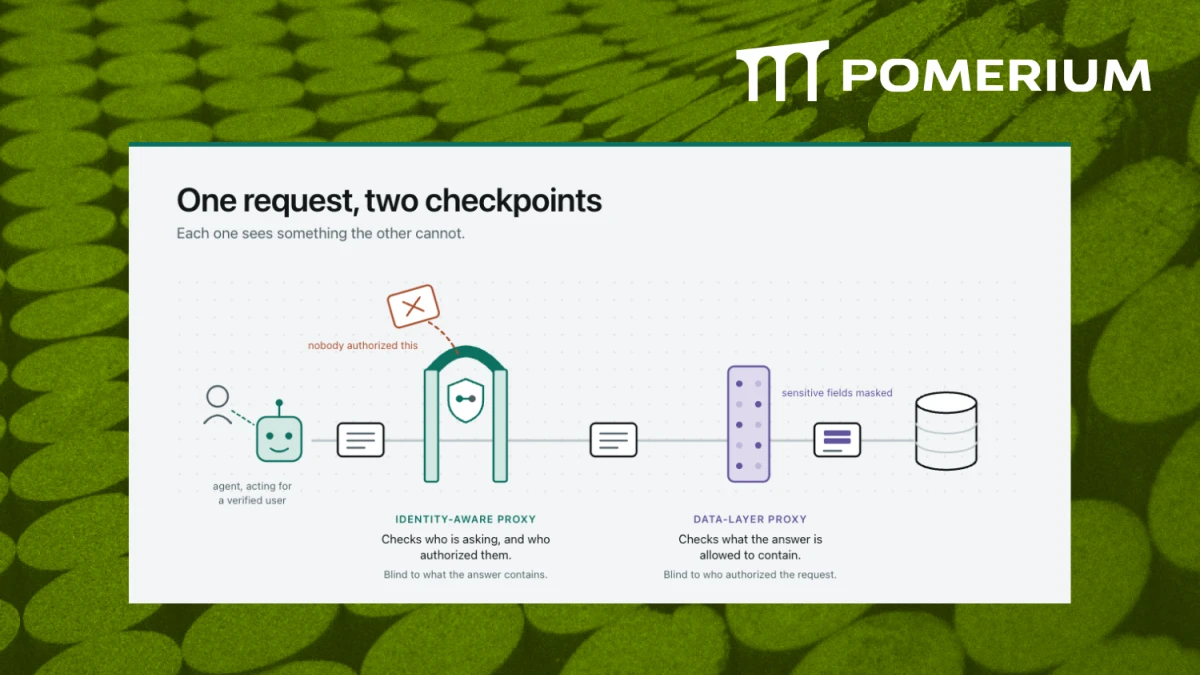
- Every request is evaluated
- Identity includes software
- Access is short-lived
- Trust is never implicit
- Authorization is continuous
Access is no longer session-based or credential-based.
Access is now request-based.
This Is the Architecture Pomerium Was Built For
Pomerium does not vault credentials → It removes the need for them.
It does not broker sessions → It authorizes requests.
It does not elevate accounts → It verifies identity and context on every single request.
This approach aligns naturally with what modern infrastructure already is:
- API-driven
- ephemeral
- distributed
- machine-operated
While PAM vendors expand outward from credential control…
Pomerium’s foundation is built on evaluating each request.
Why This Shift Matters More Than Most Leaders Realize
Security history follows a pattern:
The control plane always migrates closer to the moment of risk.
From Network → to endpoint → to identity → and now to authorization
Authorization is where intent becomes action.
And in autonomous systems intent is everything.
Organizations that continue to center security around secrets will inherit growing operational drag.
Those that center security around authorization will inherit speed.
The Future Isn’t “Better PAM”
PAM will remain critical for:
- legacy infrastructure
- regulated environments
- administrative control
- compliance
But it is no longer sufficient as the primary access layer.
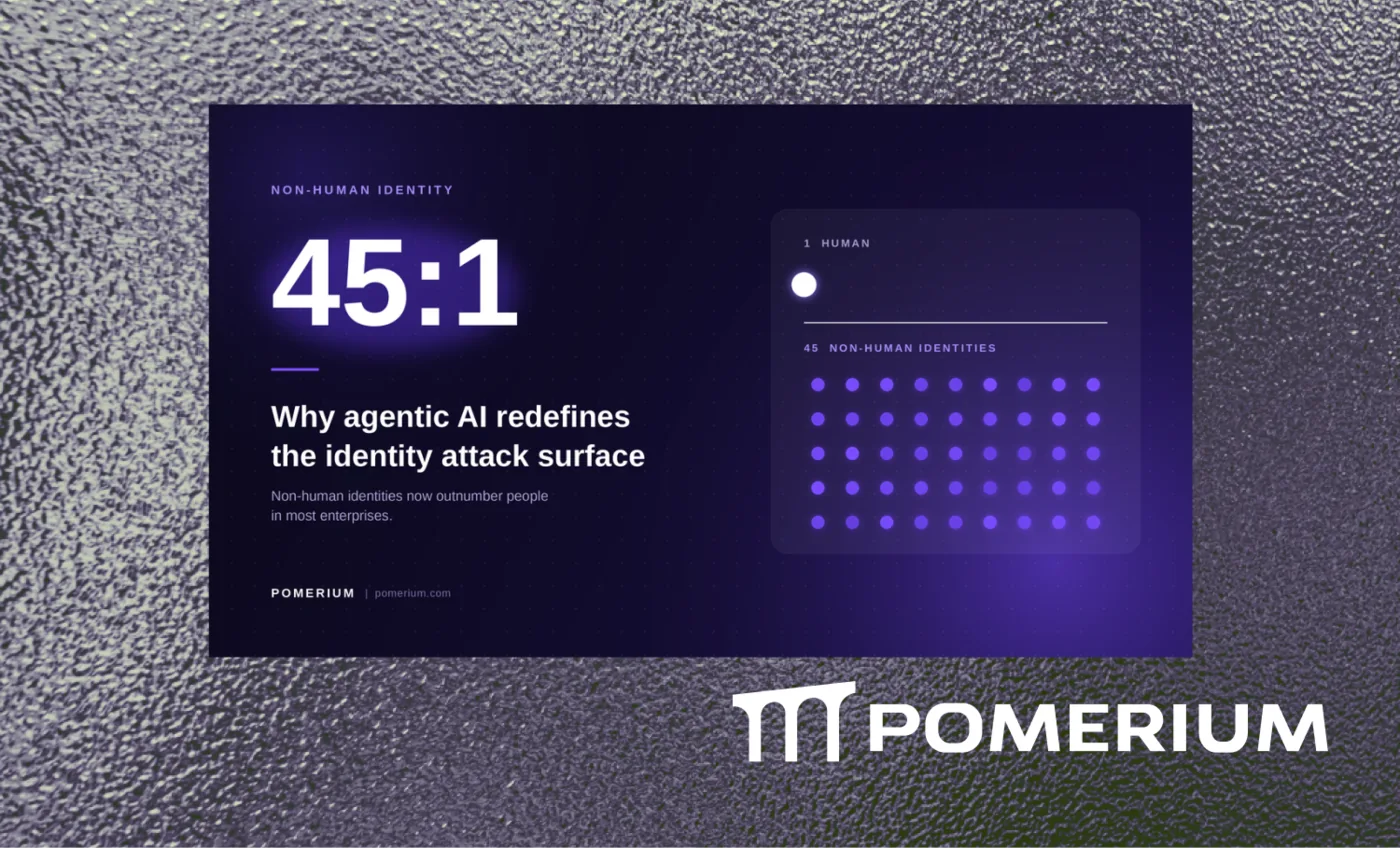
Because the fastest-growing identities in your environment aren’t human.
What’s To Do Now
Privilege was about controlling power.
Authorization is about controlling possibility.
The companies that understand this shift early will build security architectures that scale with autonomy.
The ones that don’t will spend the next decade layering automation onto a model that was never meant for machines.
Privilege was the past. Authorization is the future.
And the future is being built now.